Dunlop Tyre Europe GmbH (DTE) has entered the final phase of its program to implement the European Union Deforestation Regulation (EUDR, Regulation (EU) 2023/1115), the company said. The Offenbach am Main, Germany-based tire maker said the regulation requires deforestation-free supply chains, with particular attention to natural rubber used in tire production. The requirements will apply to large and medium-sized companies from December 30, 2026.
DTE said the European Commission's simplification package, published on May 4, 2026, has further clarified the regulation's practical application. The key changes include reduced administrative effort when sharing due diligence information along the supply chain, as well as clearer definitions of roles, responsibilities and digital verification procedures. Transparency, traceability and a robust data foundation remain at the core of the regulation, according to the company. DTE sees these developments as confirmation of its chosen implementation approach.
Supply-chain processes established
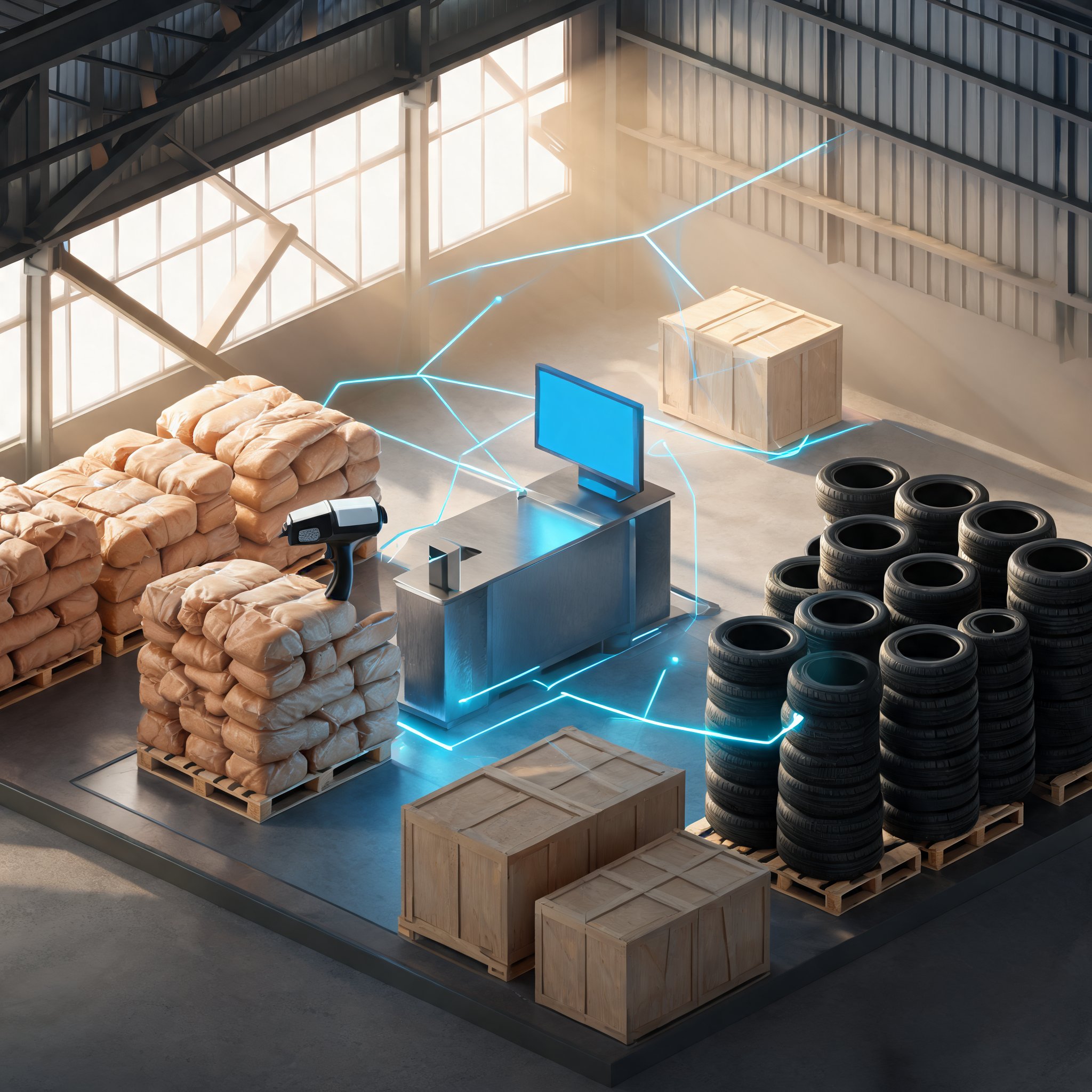
According to DTE, EUDR processes have been established across the entire supply chain, from import and goods receipt through warehousing to shipment and export. Integration has been completed between SAP, the EU information system TRACES, and logistics and barcode systems.
A validation process at goods receipt has been implemented as a key control mechanism. DTE said process, data and interface testing across the entire supply chain has already been successfully completed.
Due diligence statements
DTE said Due Diligence Statements (DDS) can now be provided and transferred transparently along the supply chain. This enables the company to demonstrate EUDR compliance efficiently both as an importer and as a downstream operator, while leveraging already validated information from upstream supply-chain partners. DTE said the statements can be passed along the chain so compliance information remains available to the next operator.
Work before go-live
Until December 30, 2026, DTE will focus on further improving data quality, increasing the automation of verification processes, preparing for audits and expanding digital connectivity for customers, including via EDI-Wheel. Following the go-live date, the project will transition into regular business operations.
In the process DTE describes, imported goods pass through goods receipt, where validation is carried out, before moving into warehousing and then to shipment or export. The company says the associated data moves through integrated SAP, TRACES, logistics and barcode systems. DTE said this structure has already been established.