Pleasure Beach Blackpool is 130 years old, and its public identity rests on traditional seaside amusement park atmosphere, wooden roller coasters, the Big One and live shows. Retail is less visible, but the resort treats it as part of the attraction rather than an exit-line afterthought. Damian Jackson, head of retail, oversees stores, e-commerce, ride photography and merchandise development, describing a system built around distinct customer groups, attraction-specific stories and operational control.
The strategic claim is simple: merchandise should extend the day and carry the resort’s personality home. The execution is harder than applying a logo. Jackson says every range needs a reason to exist, a clear customer and an authentic connection to the resort. That shapes products from £250 limited editions to low-priced magnets, and explains why retail is involved early in attraction planning rather than added at the end.
A mixed audience requires an edited range
Pleasure Beach serves families on a first visit, school groups with limited spending money, teenage friends and couples, international tourists, lifelong fans and serious coaster enthusiasts, often on the same day. Their reasons for buying differ: a family may want a traditional souvenir, an enthusiast an accurate collectable tied to a ride, teenagers confectionery or trend-led apparel, and heritage-minded visitors nostalgia, craftsmanship and the stories behind the resort.
Jackson says a single approach would never be enough. The team combines sales data with time in shops, staff conversations and guest feedback. Reports show what is selling; understanding why requires observation and listening. The test is whether a product is desirable beyond the logo: would someone wear it away from the resort, would an enthusiast display it, would a child be excited by it, would it remind a family of their visit? The range is edited around customer missions and price points, from small impulse items and practical products to fashion, children’s ranges and premium or limited editions. The aim is not unlimited choice but a curated assortment in which each product has a purpose and an appropriate price.
Attraction worlds, not logo drops
The Aviktas range is the clearest example. Instead of applying a ride logo to products, the team built the range around the attraction’s visual world: a golden snake, emerald colouring, mythology and mystery. Retail was involved early in the attraction’s development, which Jackson argues makes merchandise stronger than if it were added after the ride was finished. The range included 50 models priced at £250 each, which sold out.
That run is evidence of demand for premium, limited-edition collectables when a product has authenticity, detail and a strong attraction connection. It is not proof that premium merchandise can replace lower-priced souvenirs or that every visitor will trade up. It is one signal within a wider portfolio; the company’s account does not include independent sales or visitor-spending figures.
Development differs by attraction. ICON lends itself to a clean, contemporary, fashion-led treatment. Heritage rides such as the Big Dipper and Grand National draw on archive artwork, engineering details, nostalgia and generations of guest memories. Quality and detail cover materials, colours, proportions, trims, embroidery, packaging and shop presentation. Commercial fundamentals run alongside: intended customer, expected demand, price points, production quantities, lead times and distribution. The final product must be creatively distinctive and commercially viable.
Heritage, play and licensed IP
Nostalgia matters because Pleasure Beach is representing 130 years of family traditions, not merely selling objects. An archive of attraction imagery, typography, posters, architecture and stories can be reinterpreted through contemporary apparel, homeware and collectables. The aim is not to make everything look old-fashioned but to use authentic history in a fresh and desirable way. Playful assets do a different job: humour, colour, character and unexpected ideas engage children, families and casual visitors, as in Mr Funshine merchandise with a contemporary twist.
Licensed brands add another layer. Nickelodeon and Aardman properties require partnership between the resort, the IP owner and approved suppliers, with brand guidelines and approvals. Jackson says the strongest partnerships are collaborative: the licensor protects the brand, while the resort explains what visitors respond to and how products work in an attraction environment. Against general online retailers, the resort aims for relevance and exclusivity through exclusive designs, attraction references, location details, personalisation or products that celebrate the visit. Demand is moving toward exclusive, authentic and considered items: attraction-specific merchandise, premium apparel, subtle branding, collectables, limited editions and clear stories. Guests want products usable beyond the visit, and enthusiasts want accurate details, models and technical artwork; generic logo products are less compelling, though keyrings, magnets, mugs and confectionery remain important.
Operations and the visitor experience
Retail success depends on unglamorous basics. Stock accuracy and availability are critical: a strong product cannot generate revenue if it sits in a stockroom, has not been reordered, is mispriced or is unavailable where guests expect it. Deliveries, replenishment, pricing, signage, daily compliance checks and readiness to trade protect the guest experience. Suppliers are treated as creative and commercial partners: the resort shares the story and intended customer, and expects ideas, brand understanding, constructive feedback and reliability in quality, communication, lead times, compliance, pricing and consistency.
Driving spend starts with products guests want. Presentation, location, storytelling, pricing and team confidence then influence the purchase decision. A clear price architecture lets guests enter at different levels, while trade-up is encouraged by visible value in materials, detail, exclusivity, personalisation or a bundle rather than simply a higher price. Product adjacencies help: a plush character may pair with an outfit, a ride photograph with a frame or multi-photo offer, and apparel with matching accessories and collectables.
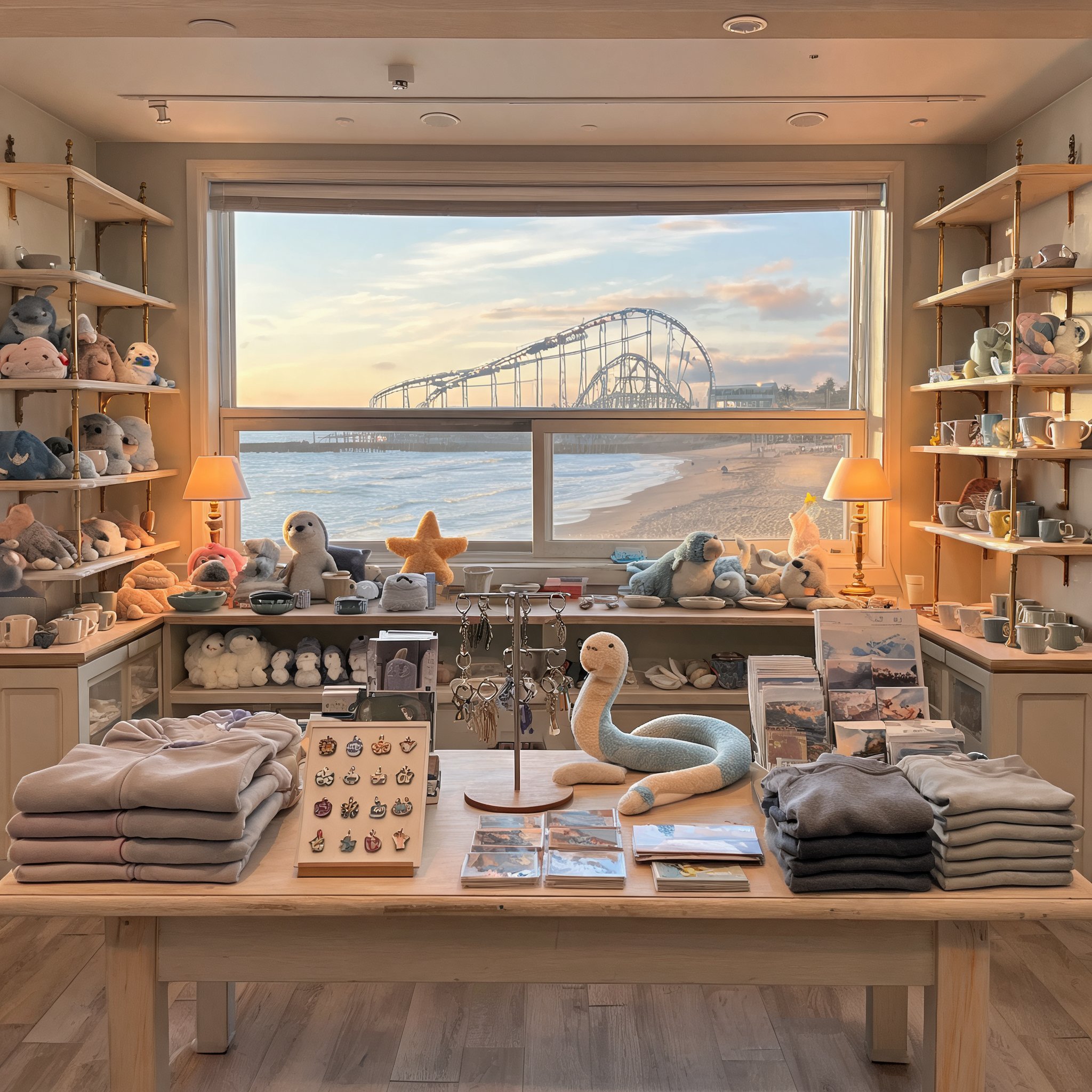
Jackson wants retail to feel like another chapter of the day rather than an obligatory gift shop at the exit. That means considering retail during planning of attractions, events and guest journeys. Themed environments, demonstrations, characterful displays, confectionery experiences, personalisation, ride photography and interactive selling can make shopping entertaining, as at the Big Big Bubble Shop. Spaces should reflect their location: a thrill-ride shop should feel different from a children’s character store, a heritage collection or a confectionery outlet. Frontline staff provide energy, knowledge and personality; they demonstrate products, explain stories, suggest additions and recognise when help is needed. Jackson calls them hosts, storytellers and brand ambassadors. Gift wrapping and personalisation add value for guests who want a purchase to feel personal and significant, including when buying for someone at home.
E-commerce extends the relationship year-round, letting enthusiasts follow launches, previous visitors reconnect and remote customers access selected products. Social media and email test interest, support campaigns and reach specific audiences; online behaviour can reveal demand that differs from in-park behaviour. The resort also draws inspiration from museums, heritage destinations, premium fashion brands, department stores and experiential retailers. Museums show how archives can be interpreted for contemporary audiences; fashion brands offer lessons in drops, collaborations, presentation and scarcity. Jackson insists inspiration is not imitation: the aim is products guests associate specifically with Pleasure Beach.
What the model shows, and what it does not
The case shows that retail can be integrated into an attraction’s creative and operational system rather than treated as a separate shop at the exit. The important mechanism is not one sold-out collectable but the combination of customer segmentation, story-led range development, early involvement in attraction planning, licensing discipline, staff training, e-commerce and stock control. Each part supports the claim that merchandise can extend the visit and carry the brand home.
The limits matter. This is an operator’s account, not an independent assessment of sales, conversion, profitability or guest satisfaction. The 50-model run demonstrates niche demand at a specific price point; it does not establish a broad shift toward premium products. The model also contains tensions: exclusivity versus accessibility, heritage versus contemporary fashion, licensed-brand consistency versus park-specific differentiation, and online reach versus the in-park experience. Jackson’s answer is clear customer missions, an edited range and consistent execution. For other attractions, retail becomes part of the experience only when product, place and staff tell the same story, and when the basics are reliable enough to let that story trade.