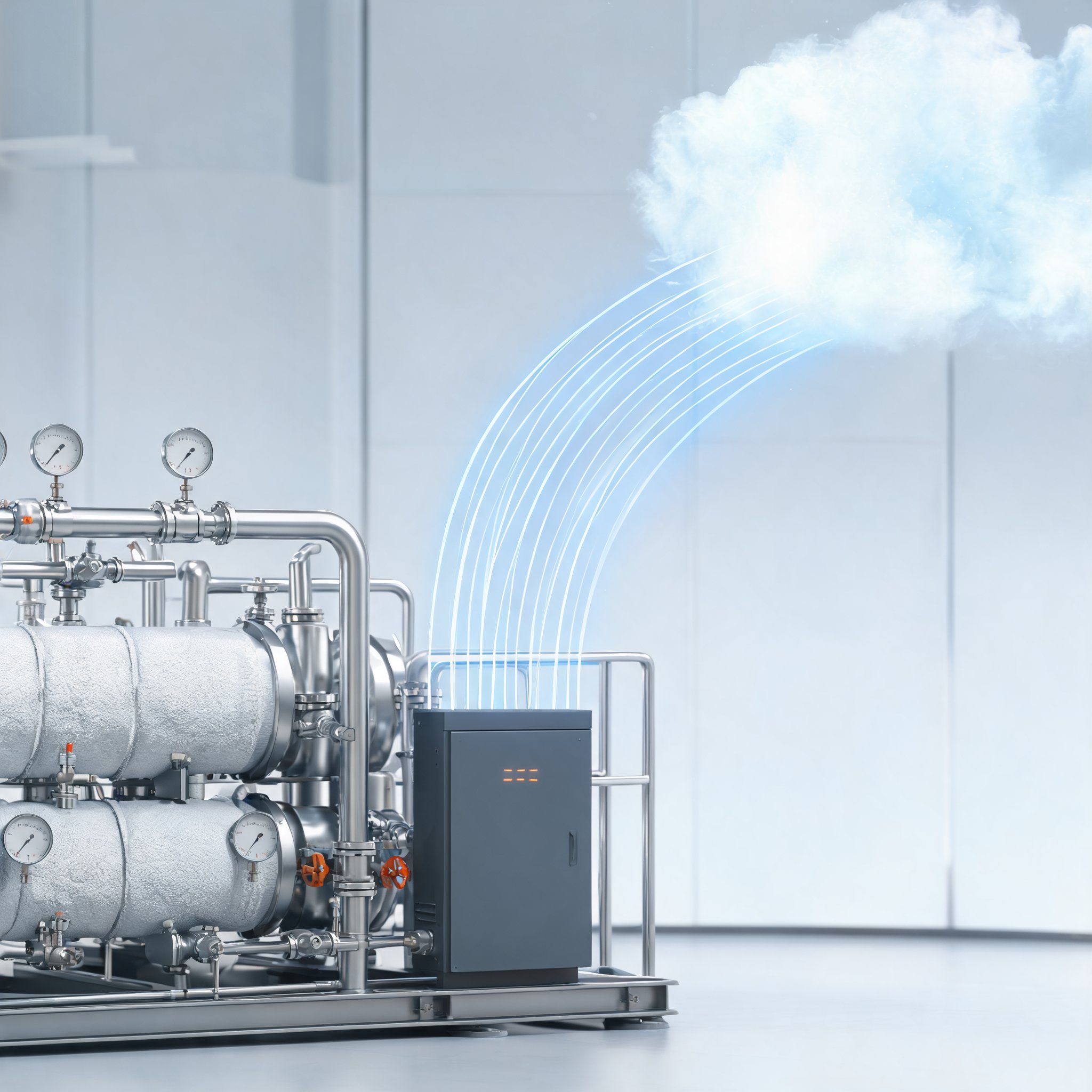
PSB Industries has introduced a Remote Monitoring Service for operators of its gas- and liquid-treatment systems, adding an OEM-supported oversight layer to equipment already run by plant personnel. The company, which designs and builds dehydration and purification systems, said the service is intended to give customers earlier warning of abnormal operating conditions, faster technical support and a more proactive approach to uptime and performance.
Under the arrangement, operating authority remains with on-site staff. PSB’s role is to monitor system status and alarm activity and to help customers interpret what the data shows, rather than to take control of the process.
Hardware and data link
The service combines installed hardware, secure connectivity and continuing engineering support. At the equipment level, it uses an OptixEdge industrial edge gateway. Operating data is collected through a secure cloud connection, allowing PSB to maintain continuous visibility into system status and alarms.
Monitoring scope
Core deliverables include continuous alarm monitoring, remote troubleshooting and diagnostics, root-cause analysis of abnormal or recurring events, technical review of operating data and gas sample analysis, and semiannual site visits with performance assessments.
PSB said the combination is meant to move support beyond a reactive troubleshooting model. With operating conditions under continuous review, its service team can examine event sequences, separate root causes from symptoms and start troubleshooting sooner than a traditional back-and-forth process usually allows. The company links that earlier visibility to faster recovery, improved reliability and stronger asset performance over time.
Commercial and support terms
Customers also receive priority access to OEM service, reduced hourly service rates and a structured annual support package that includes pre-purchased service hours. Those hours can be applied to alarm troubleshooting, process optimization and performance reviews, technical consultation and operator training.
PSB positions the service as a layer of expert oversight on top of existing operations. In its description, the system becomes a continuously watched asset rather than a black box, with OEM engineers able to review live operating data and alarm sequences. The intended result is a practical route to fewer unplanned outages and more reliable production. PSB presents these as intended outcomes of the service.