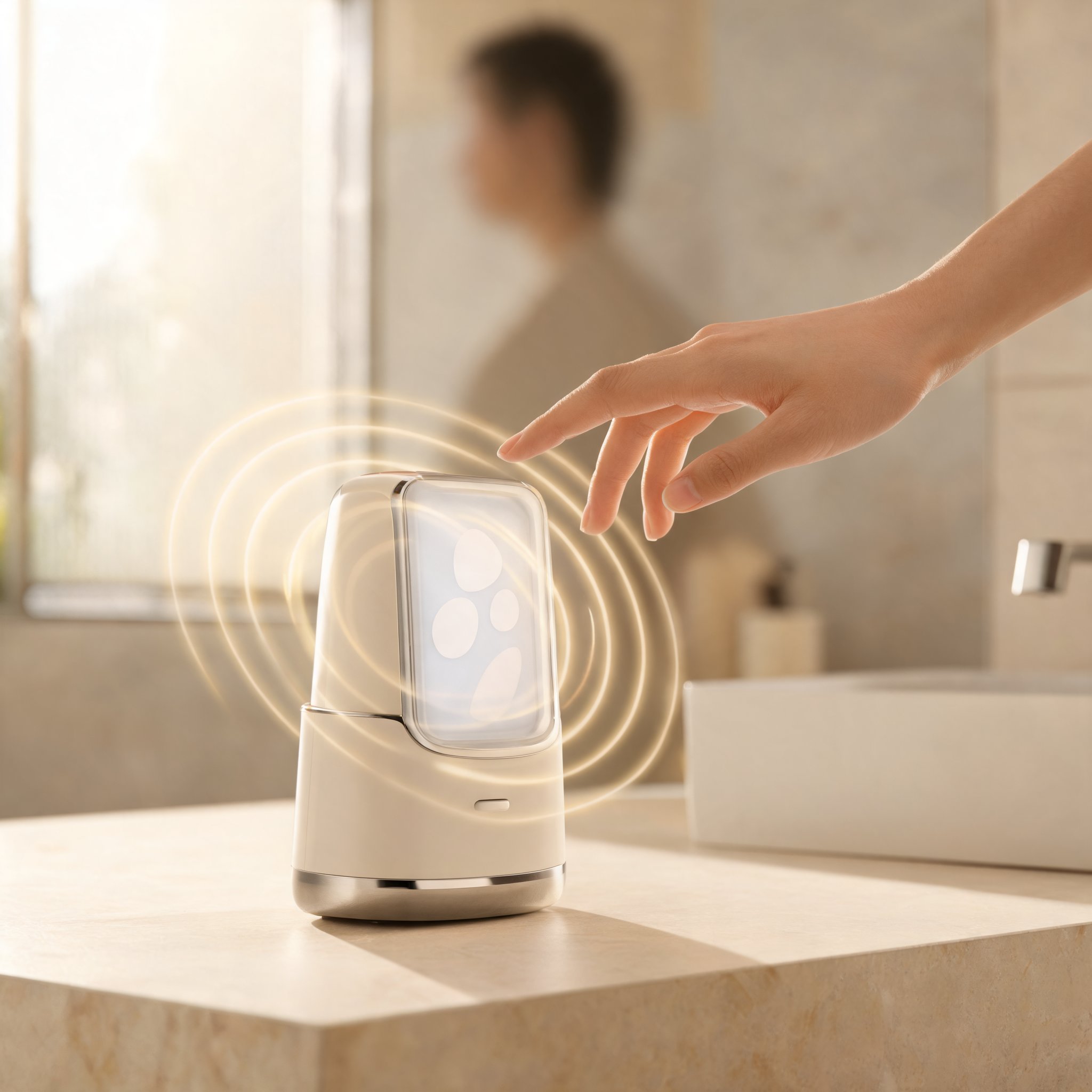
Philips has identified personalized guidance, at-home devices and human connection as three technology trends reshaping the beauty industry, with everyday routines increasingly treated as moments of care. According to the Dutch personal care technology company, consumers are making more intentional choices about how they start and end their days, and technology is being designed to make relationships between people and products more supportive and personal.
The company gathered views from beauty industry figures to examine the next phase of beauty technology. Won Sook Ko, Philips' global category leader for Beauty, said consumers want products grounded in science that deliver results while embedding personalization and care. She described the future as intelligence meeting intimacy, with technology adapting to people rather than requiring people to adapt to it.
Personalized guidance amid information overload
Philips argues that consumers have more beauty information than ever, but that additional information does not necessarily produce greater confidence. The volume of data, products, ingredients and technologies can leave shoppers uncertain, a condition industry experts have linked to an overwhelming cosmetics landscape. That saturation has helped create demand for personalized beauty aimed at specific concerns.
Philips cites research showing that 62% of US beauty and personal care buyers are interested in hyper-personalized products. Alice Crossley, principal strategic foresight analyst at The Future Laboratory, said consumers increasingly expect beauty and wellness technology to be responsive, adaptive and intelligent. According to Philips, real-time guidance and clear explanations of why a technology recommends a particular step are becoming expected rather than differentiating. Crossley added that brands able to translate complex science into relatable, actionable guidance will shape the next phase of beauty innovation.
Examples are emerging. Ulta Beauty recently launched a ChatGPT plugin that builds personalized product bundles around consumers' beauty goals, routines and budgets. Haut.AI CEO Anastasia Georgievskaya previously said that consumers disengage from AI that feels generic and are more likely to trust recommendations based on real skin data. Philips said the strongest beauty technologies will not require users to become experts, but will act as trusted partners that turn uncertainty into confidence.
At-home devices face a confidence barrier
The need for clear guidance is also shaping the at-home device market, as more personal care shoppers take treatments home that were once associated with clinics. Philips believes the learning curve should be removed and replaced with intuitive guidance.
Dr Aamna Adel, a UK consultant dermatologist and health care professional influencer, said the biggest barrier to adopting beauty technology is not the technology itself but confidence. She said successful routines depend on understanding, consistency and trust, and that clear, evidence-based feedback helps people build confidence and lasting rituals.
The shift is visible across personal care. Dyson and Usmile have launched camera-equipped AI toothbrushes with real-time imaging that show users which areas they have missed, while red light therapy masks and LED devices have become more widely available through beauty and wellness retail. Philips argues that consistency, supported by confidence, is what turns routines into habits.
Philips recently launched the Lumea 9900 Pro, which it describes as the first at-home intense pulsed light hair removal device with audio feedback and motion guidance that talks to users. As the device moves along the legs and arms, it gives live audio feedback intended to support optimal coverage and technique. It uses SenseIQ Pro and SmartSkin sensor technology to determine individual skin tone and guide users to the optimal light setting for effectiveness and safety. Smart progress tracking provides post-treatment reports analyzing hair reduction progress and personalized recommendations.
Human connection remains central
Tiffany Buathier, founder of The New Well, said confidence thrives when women have genuine choice. When technology removes doubt about what to do and how, she said, it creates space for intention-setting and self-trust, turning beauty rituals into moments of autonomy.
Philips said the opportunity is not to make routines more mechanical but more personal. As beauty becomes more data-led, the company argues that enduring technologies will respect individual choice, respond to real needs and leave room for enjoyment. Won Sook Ko said Philips aims to give women agency rather than tell them what to do with their appearance, supporting their choices with safe, personalized guidance and education.
Industry voices also emphasize the overlap between technology and human insight. Kimia Koushesh of Vantage Beauty said the opportunity is not to choose between technology and human insight but to combine them, with value in tech-enabled products that solve problems and connect with people. Revieve's Future Face of Beauty report reaches a similar conclusion, describing movement toward guided empowerment, stronger relationships and long-term trust, with Asia Pacific pairing advanced technology with human connection.