Polytag’s Ecotrace programme has been included in TIME’s Best Inventions of 2026 list, in the Reuse & Recycle category. The programme is one of 300 innovations selected for the annual list.
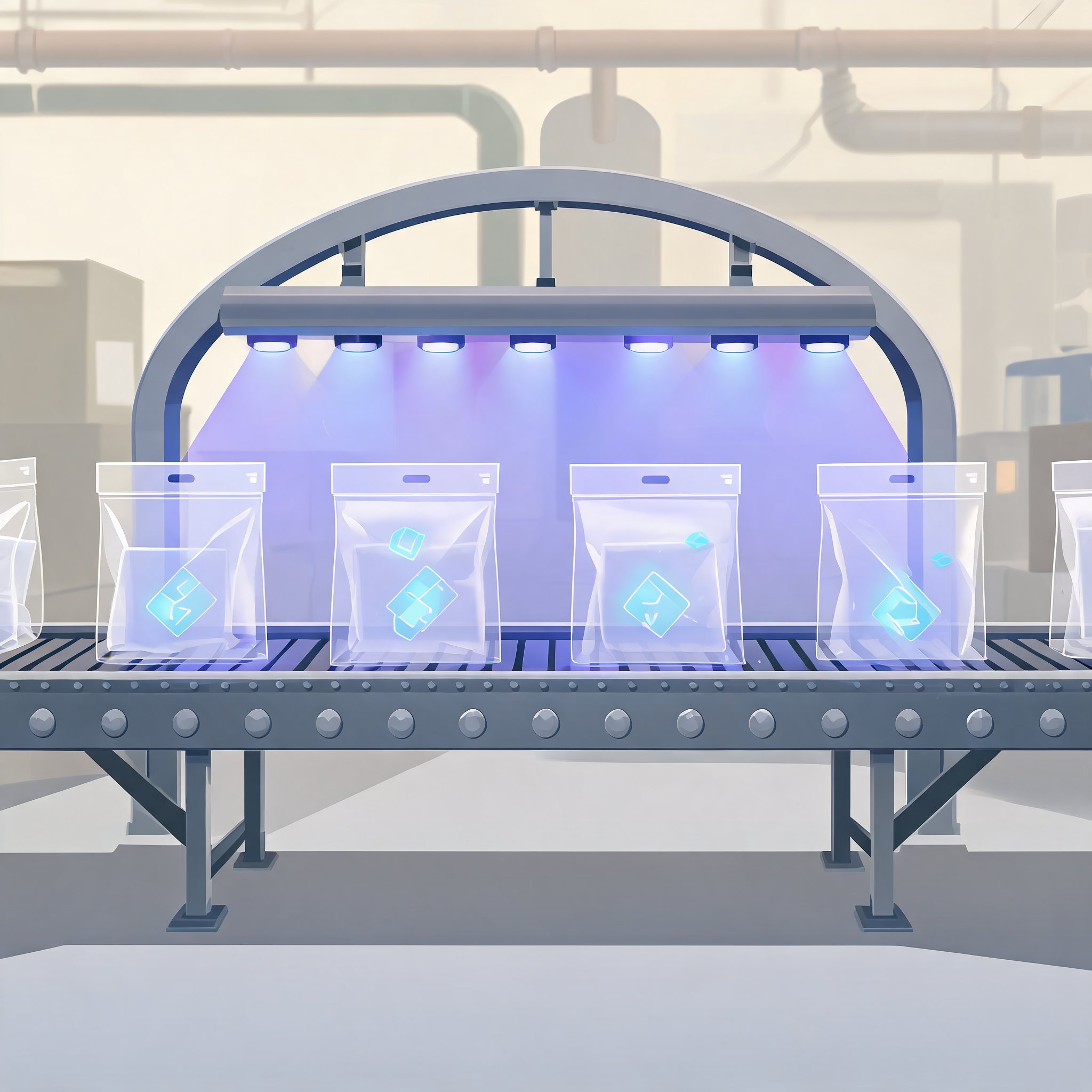
Ecotrace is designed to give brands more visibility of what happens to packaging after it is used. It works by detecting invisible UV tags that brands activate on packaging. As tagged packs pass through recycling facilities, Polytag equipment reads the tags and captures barcode-level data showing which packaging reaches those facilities and where and when it is detected. Polytag says the system operates using global open standards.
For packaging manufacturers, printers, converters and ink suppliers, the approach is intended to build traceability into packaging through specialist fluorescent UV inks and existing printing processes. The tags are invisible to the naked eye and can be added to packaging labels without a fundamental change to established production workflows, the company says.
The tags can also carry additional information about a pack, including plastic melt flow temperature, the packaging converter or food-grade status. Depending on what data is encoded, Polytag says the system can provide insights at pack-variant or batch level and across defined time periods. That data is intended to give brands and retailers a clearer picture of packaging performance after use and to inform decisions on packaging design, material selection and recyclability.
Polytag argues the data can become more important as Extended Producer Responsibility increases accountability for packaging placed on the market. In that context, the company says the information can help businesses build a stronger evidence base for packaging performance and recycling outcomes. The technology is being used by Ocado and Waitrose, with UV-tagged packaging generating data at enabled recycling facilities.
Debbie Waldron-Hoines, consultant CEO at the Flexographic Industry Association, said the TIME recognition showed the role innovation can play in addressing major packaging challenges. For printers and converters, she said, technologies that connect packaging with data about what happens after use could create opportunities to support brands in assessing performance and informing future design decisions. She added that it was encouraging to see innovation connecting the print and packaging sector with wider discussions about recycling and circularity.
Alice Rackley, chief executive of Polytag, said the inclusion was an endorsement of work across the packaging value chain to make packaging lifecycles more visible. She said the programme brings together packaging producers, ink specialists, retailers and recycling operators, helping to bridge the gap between how packaging is designed and what happens to it after use. According to Rackley, that collaboration is key to turning better data into better decisions, helping brands design packaging with its end-of-life in mind and supporting progress towards a more circular economy.