Bryan Musgrove, divisional senior director on national accounts for TriMark USA, says equipment rollouts for new menu items require planning across locations, production schedules and delivery packaging. He outlined practices drawn from TriMark projects.
First, operators should create a location-by-location playbook. TriMark worked with a brand that needed new toasters to add toasted sandwiches to a breakfast lineup of biscuits and wraps. Some sites already had maxed-out electrical capacity, while small mall or urban locations lacked counter space. Creating room by adding shelving or another table can affect workflow, so the playbook should separate plug-and-play locations from those needing extra support.
Schedules should follow the manufacturer’s lead time. Musgrove said a manufacturer may be able to produce 200 units, but at 10 units a week that takes 20 weeks. A supplier might have inventory for the first 50 units, then need eight weeks to order parts from overseas before completing the rest. When a menu item is tied to a seasonal or occasion-based marketing campaign, operators should work backward from the desired launch date to set a feasible timeline.
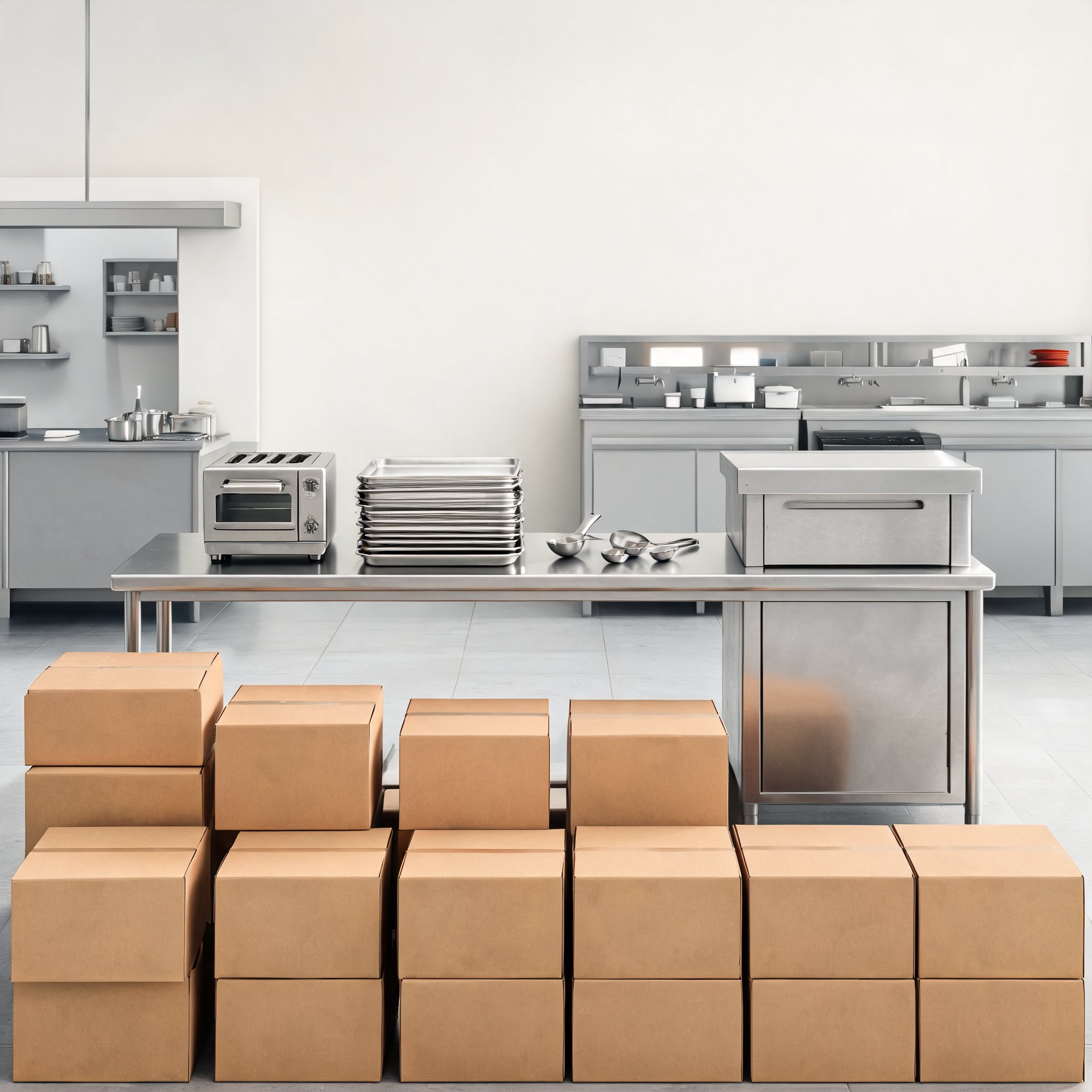
Packaging can also be reworked. Rather than sending smaller wares to each location in original boxes, operators can ask the dealer to consolidate and repackage items into one package per location. For a brand adding macaroni and cheese to its sides, TriMark combined visual holding cabinets, pans and serving scoops in varying sizes into one package per site. Instructional materials and exterior labeling told managers what each delivery contained.
Musgrove presents these steps—matching support to each location, scheduling from supplier lead times and simplifying deliveries—as ways to make rollouts smoother. The expected payoff is a new menu item that can generate attention and traffic, though that outcome depends on execution.